
cPVC, or chlorinated polyvinyl chloride, is a thermoplastic used for pipes and fittings. The chlorination process enhances its chemical resistance and temperature tolerance, making it suitable for hot and cold water distribution in plumbing systems. cPVC is known for its durability, corrosion resistance, and cost-effectiveness in various fluid-conveying applications.
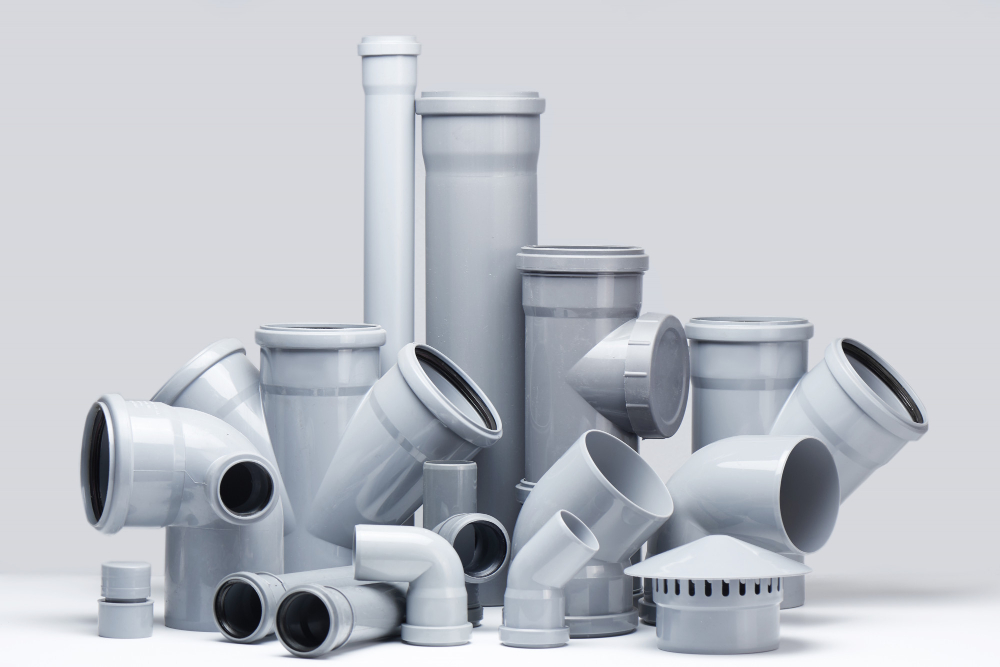
cPVC stands for chlorinated polyvinyl chloride. It is a type of thermoplastic used in the production of pipes, fittings, and other products for conveying fluids. The chlorination of polyvinyl chloride (PVC) improves its chemical resistance and temperature tolerance, making it suitable for a variety of applications.
cPVC pipes are commonly used in plumbing systems for hot and cold water distribution. The chlorination process enhances the material’s ability to withstand higher temperatures compared to regular PVC, making it suitable for hot water applications. cPVC is also known for its corrosion resistance, durability, and relatively low cost.
It’s important to note that while cPVC shares some characteristics with PVC, the chlorination process gives it distinct properties that make it better suited for specific applications where higher temperature resistance is required.
